From Handwritten Card to a Searchable Family Recipe Archive
Digitize handwritten recipes without losing the originals, add enough context to make them cookable, and build an archive your family can actually search and share.
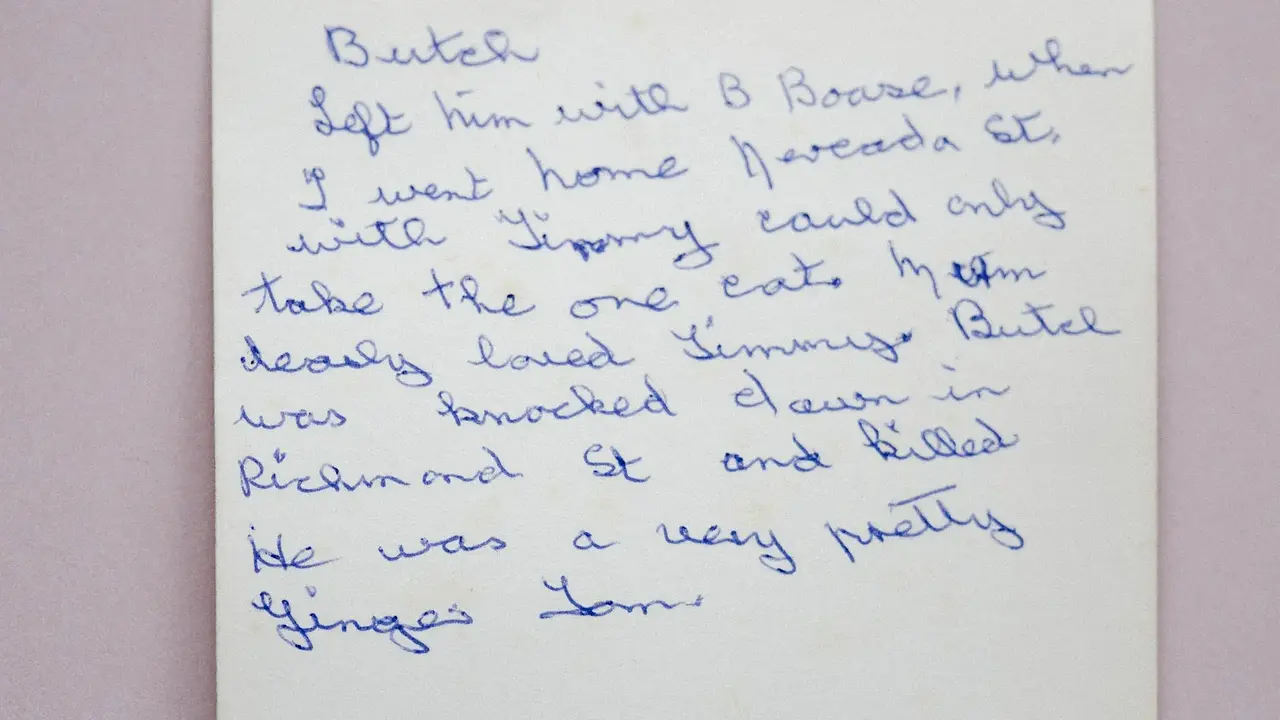
A stained card in a relative’s handwriting carries more than ingredients. It may preserve shorthand, family jokes, substitutions, and evidence that the recipe was cooked often. Digitizing it protects access, but replacing it with a polished transcription can erase exactly what made it meaningful. A good archive keeps the original image and adds a usable version beside it.
Use the utilkit Recipe Card Maker to create a clean cooking copy after you capture the source. Keep that new card linked to the original scan, its author, an approximate date, and any story family members can provide.
Capture before you organize
Photograph or scan the front and back, even when the reverse looks blank; faint notes or provenance may appear later. Use even light, keep the camera square to the card, and include the full edges. Save a high-quality master before cropping or enhancing a derivative copy.
The U.S. National Archives guidance recommends keeping originals because digital files have their own risks. Store physical cards in a stable, dry location away from direct light, food, and handling. For fragile or valuable materials, seek conservation guidance before using adhesives, lamination, or cleaning products.
Transcribe faithfully, then clarify separately
Create a literal transcription that preserves spelling, abbreviations, crossed-out quantities, and uncertain words. Mark uncertainty instead of silently guessing. Then create a cooking version with expanded units, clearer steps, and a modern layout. Keeping these as separate fields protects the historical record while making the recipe practical.
Interview the people who remember the dish. Ask what “one package” weighed, which pan was used, how doneness was judged, and whether an ingredient changed over the years. Record who supplied each clarification and when. Virginia Tech’s recipe-writing guidance is a useful checklist for precise amounts, order, equipment, timing, and food-safety instructions.
Use metadata people will search
Give each item a stable filename or ID and record the recipe title, contributor, side of card, approximate date, meal or dish type, and family branch. Add alternate names—“Aunt Jo’s bars” and “oatmeal chocolate squares”—so memory does not have to match one official title.
Organize folders simply and keep a master index. Tags can cross categories without duplicating files. Avoid building a complex system before you know how relatives will search; a spreadsheet with links to scans is often more durable than a specialized database no one else understands.
Protect the digital archive
- Keep the untouched master scan and a smaller sharing copy.
- Store at least two copies on different devices or services.
- Keep one copy in a different physical location.
- Use consistent filenames and periodically verify files still open.
- Document who can access private family stories and contact details.
Keep provenance and interpretation separate
For each card, store the original image, a literal transcription, an edited cooking copy, and a short source note. The source note might identify the writer, approximate date, occasion, physical album, and the person who supplied context. If a stain hides a quantity or two versions disagree, mark the uncertainty instead of choosing silently. Future relatives should be able to distinguish what the card says from what an editor inferred.
Use stable filenames such as surname-dish-year-side01.tif for master scans and keep display copies in a convenient format. Create an index with fields people will browse: dish name, contributor, meal type, key ingredient, holiday, region, and tested status. Avoid a taxonomy so elaborate that no one maintains it. A small, consistent index is more searchable than a perfect system populated for only five recipes.
When someone cooks a recipe, add dated test notes to the edited copy without overwriting the transcription. Record pan size, oven temperature, actual yield, substitutions, and any clarification confirmed by family members. Keep at least one backup disconnected from the main computer and periodically open a sample. The archive then preserves both the historical evidence and the living knowledge required to make the food successfully.
Finally, print or share a small collection and ask relatives to cook from it. That reveals missing temperatures, ambiguous quantities, and stories worth adding. Preservation succeeds when the archive remains intact, but it becomes valuable when the recipes stay understandable, findable, and part of family life.