Keep Game Night Moving Without Turning the Clock Into the Enemy
Choose a clock format, set humane time controls, handle pauses and accessibility, and reduce downtime without turning a friendly game into a penalty drill.
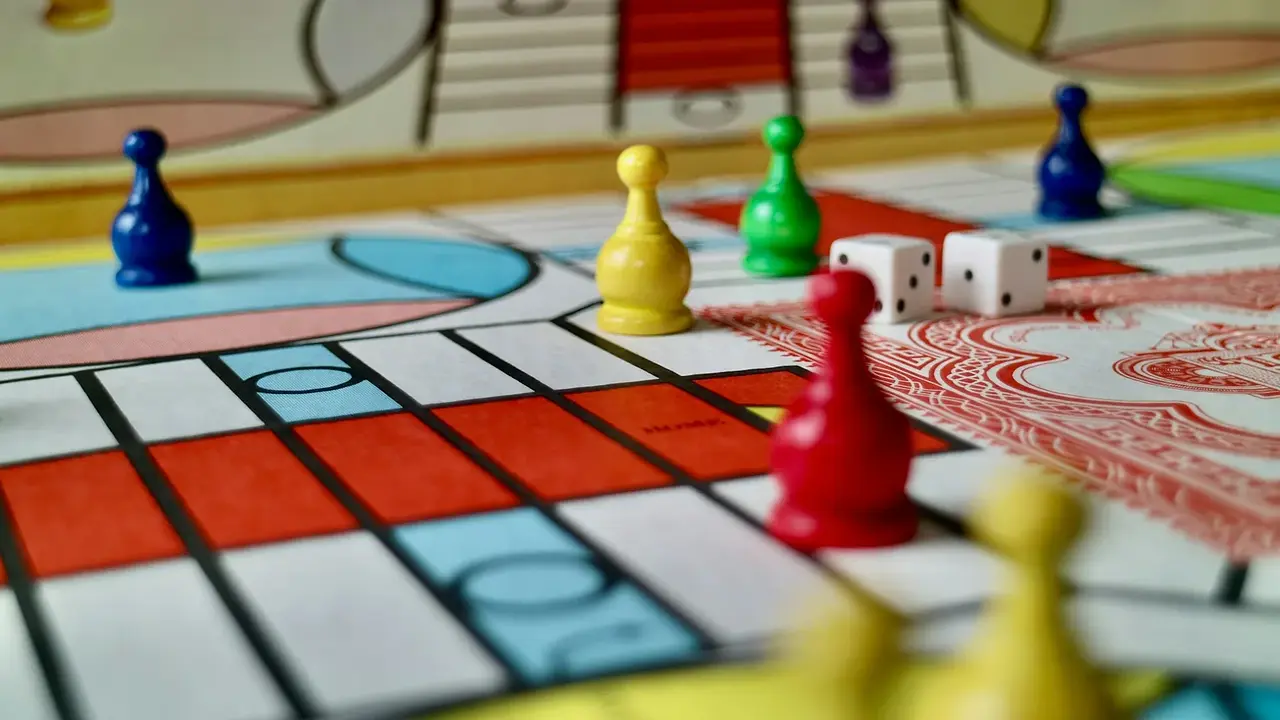
A turn timer can rescue a game from long stretches of waiting, but a harsh countdown can replace boredom with anxiety. The purpose should be shared: finish within the available time, reduce one player’s analysis paralysis, or make turns more even. Choose controls that support that goal and the group’s needs rather than copying a tournament clock blindly.
The utilkit Multiplayer Chess Clock tracks separate time for several players. Try it during a low-stakes round first. The first session is calibration, and adjusting the settings after real experience is part of using the tool well.
Choose a timing model
A per-turn countdown gives the same limit every turn and is easy to understand, but it treats trivial and complex decisions alike. A total time bank lets a player spend more time on a difficult turn and move quickly later. An increment adds a small amount after each move; a delay waits briefly before the main clock starts decreasing.
Chess organizations define these systems precisely for competition. The FIDE Laws of Chess are a useful example of formal clock rules, but a casual multi-player game can adopt a simpler agreement. State exactly when a turn begins, who advances the clock, and what happens at zero.
Set time from a trial, not a guess
Measure several normal turns before imposing a limit. Choose a setting that trims the longest waits without rushing ordinary play. Games with negotiation, calculation, reading, or physical setup need different allowances. New players usually need more time while they learn icons and options.
Consider a warning tone or visible color change before time expires. Keep audio optional and do not rely on color alone. The active player and remaining time should be visible from the table without requiring everyone to handle the device.
Agree on exceptions and pauses
Pause for rules questions, component spills, accessibility needs, interruptions, and genuine confusion about game state. Do not make a player spend thinking time while another participant explains a rule they were entitled to know. Decide whether negotiations consume the active player’s time or a shared pause.
Time controls may need accommodation for motor, visual, cognitive, language, or attention differences. Fair play can mean different time allocations or an untimed role. Discuss the setup privately and respectfully rather than forcing someone to disclose details to the table.
Use gentle consequences
- For casual play, require a legal default action or end the turn.
- For a time bank, let a player continue with a short per-turn allowance.
- Avoid eliminating someone early from a long social game.
- Pause when the software or table state caused the delay.
- Review the rule after the game, not during a heated turn.
Test a starting profile, then measure it
The numbers below are trial settings, not rules for every game. Pick the profile closest to the activity, explain the reason for timing, and run one practice round that does not affect the result.
- Learning game: leave the first round untimed, then try 90 seconds per turn. Watch how often rules questions and icon reading use the allowance.
- Light party or word game: try 45–60 seconds per turn with a warning. Ask whether the warning helps or distracts.
- Strategy game: try an 8–12 minute bank per player plus a small increment. Check whether complex but reasonable turns remain possible.
- Negotiation game: pause individual clocks during open table negotiation so one player is not charged for group discussion.
Review after one full round or 30 minutes. Record total game duration, the number of timeouts, and a quick group rating; detailed timing tied to named players is rarely necessary. If most turns use only a fraction of the allowance, shorten it gradually. If reasonable turns regularly fail, add time, switch models, or preserve an accessibility adjustment.
A timer works when players stop noticing the wait, not when the clock becomes the main opponent. Keep, change, or abandon the experiment based on whether it improves pace without making the table less welcoming.