Recipe Card Maker
Design printable recipe cards and sheets with Letter, A4, 3x5, and 4x6 layouts, cookbook-style fonts, ingredient columns, paper patterns, and text color.
The inputted text is too long to include in a share link.
Scale bread formulas with baker's percentages, ingredient weights, total flour, dough weight, hydration, and target batch size.
Use this calculator when you want to scale a dough formula without changing the proportions that make the bread work.
In baker's percentages, flour is the 100% baseline. Every other ingredient is expressed as a percentage of flour weight, which makes recipes easy to scale up or down without changing the dough's proportions.
Hydration is the relationship between water and flour. Higher hydration doughs tend to be stickier and more open-crumbed, while lower hydration doughs are usually firmer and easier to shape.
Baker's percentages are useful because a formula can move from one loaf to several loaves, or from a home batch to a larger bake, while salt, yeast, water, fat, and preferments stay in proportion to the flour. This is usually more reliable than multiplying cup measurements.
Different flours absorb water differently, and room temperature, fermentation time, mixing method, and shaping all affect the dough. Treat hydration as a planning number, then adjust by feel when the flour or environment requires it.
W_i = F \cdot \frac{P_i}{100}
F is flour weight, P_i is the ingredient's baker's percentage, and W_i is the ingredient weight.
H = \frac{W}{F} \cdot 100
Water, milk, and the water portion of preferments count toward W.
Starter, leaven, and poolish are treated as 100% hydration preferments. Half of their weight counts as flour and half counts as water when calculating total hydration.
When you edit grams directly, the matching baker's percentage is recalculated from the current flour weight. When you edit percentages, grams are recalculated from flour. The portions field divides the finished dough weight so you can plan loaves, rolls, pizza balls, buns, or proofing containers.
Baker's percentages express each ingredient as a percentage of total flour weight. Flour is therefore 100%, even when the dough contains several flours. Add bread flour, whole wheat, rye, preferment flour, and other flour contributions consistently. Water, milk, eggs, starter, and other ingredients may contribute liquid, but whether to count all of it as hydration depends on the formula convention.
Hydration predicts handling only roughly. Flour protein, milling, whole grain, bran, seeds, starch damage, humidity, and resting time all change absorption. A dough at 75% can feel firm with one flour and loose with another. Hold back a small part of the water when trying unfamiliar flour, then add it gradually if the dough can use it.
Salt, sugar, fat, dairy, eggs, and inclusions affect more than total weight. They can change fermentation speed, gluten development, browning, tenderness, and shelf life. A calculator scales the formula but does not redesign the mixing method. Keep the original process notes and watch the dough rather than copying the clock blindly.
Yeast and starter do not always scale perfectly across batch sizes and schedules. Fermentation depends on dough temperature, inoculation, starter activity, salt, sugar, room conditions, and desired flavor. For a much larger batch, equipment friction and slower cooling can change dough temperature. Record actual temperature and fermentation signs so the next batch can be adjusted.
Check whether a preferment is entered as one ingredient or split into its flour and water. Both methods can calculate total dough weight, but only the split method gives a full formula hydration and total flour base. Avoid counting the same preferment twice. Save a note that explains the convention for anyone reproducing the recipe.
Scaling up must fit the mixer, bowl, bench, proofing space, and oven. Do not exceed equipment ratings. Large doughs can mix and ferment unevenly, while many small loaves can lower oven temperature when loaded. Divide the work into manageable batches when control matters more than one theoretical total.
Use clean equipment and safe handling for eggs, dairy, fillings, and other perishable ingredients. The USDA food-safety basics cover cleaning, separation, cooking, and chilling. A dough formula does not determine a safe internal temperature or storage life for every enriched or filled bread.
After baking, compare actual dough weight, number of pieces, baked weight, crumb, crust, and fermentation time with the plan. Water loss makes baked weight lower than dough weight. Keep notes on flour brand, room and dough temperature, timing, and handling. Those observations are more useful for improving the next bake than chasing a percentage in isolation.
Built and maintained by utilkit. Updated . Found an issue? Send corrections to contact@utilkit.com
Design printable recipe cards and sheets with Letter, A4, 3x5, and 4x6 layouts, cookbook-style fonts, ingredient columns, paper patterns, and text color.
Scale pasted recipe ingredients from one yield to another with fraction-friendly formatting and highlighted lines that need review.
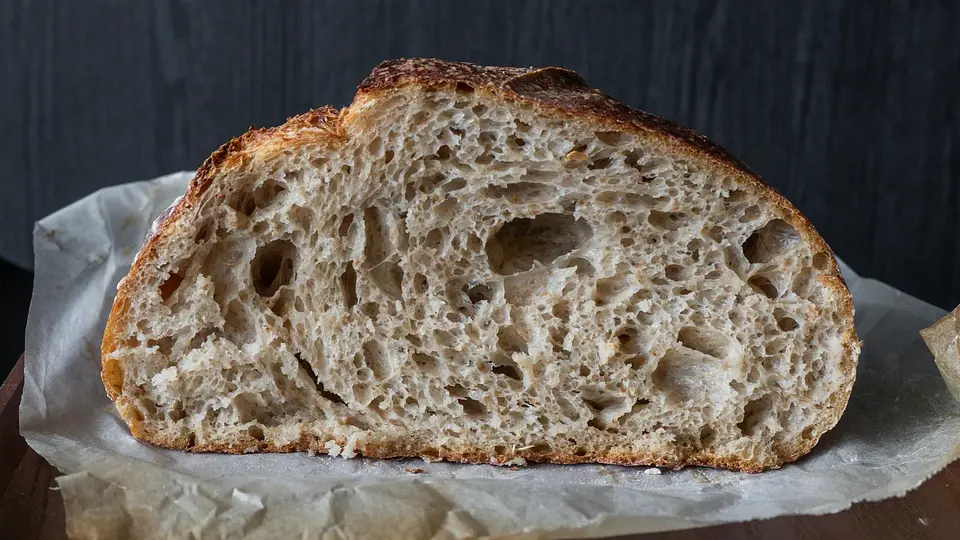
Choose a hydration range for sandwich bread, sourdough, bagels, focaccia, ciabatta, pizza, and more—then adjust it for your flour and technique.