Height Calculator
Calculate a height percentile with WHO and CDC reference data and convert measurements between centimeters and feet and inches.
The inputted text is too long to include in a share link.
Calculate BMI with standard or metric measurements, adult category ranges, and age- and sex-aware context for children and teens.
BMI compares weight with height and places the result in a screening category. It can be useful for population-level guidance and quick checks, but it does not directly measure body fat, fitness, or overall health.
BMI can be misleading for athletes, older adults, pregnant people, people with significant muscle loss, and anyone whose body composition differs from the assumptions behind height-weight screening categories.
Enter age, sex, height, and weight in standard or metric units to calculate BMI and review category guidance.
Body mass index compares weight with height.
Adult BMI categories apply to people age 20 and older. For ages 2 through 19, BMI is interpreted using CDC age- and sex-specific percentiles.
BMI is a screening measure, not a diagnosis. A clinician can consider body composition, health history, and other measurements for personal guidance.
BMI is calculated from height and weight, then interpreted using adult ranges or age-specific child and teen references.
BMI = \frac{weight_{lb}}{height_{in}^2} \cdot 703
BMI = \frac{weight_{kg}}{height_m^2}
BF\% = 1.2 \cdot BMI + 0.23 \cdot age - 10.8 \cdot s - 5.4
Used for age 20 and older. s is 1 for male and 0 for female.
BF\% = 1.51 \cdot BMI - 0.7 \cdot age - 3.6 \cdot s + 1.4
Used for ages 2 through 19. s is 1 for male and 0 for female.
Adult BMI categories use CDC adult BMI ranges. For ages 2 through 19, CDC BMI-for-age guidance uses percentiles based on age and sex.
The body fat percentage estimate uses published BMI, age, and sex equations from Deurenberg, Weststrate, and Seidell.
BMI is useful as a population-level screening measure because it needs only height and weight. It does not directly measure body fat, muscle, bone, fat distribution, fitness, or metabolic health. Two people with the same BMI can have different body composition and health histories. Treat the displayed category as a prompt for context, not a diagnosis.
Adult categories apply from age 20. Children and teenagers are still growing, so their BMI is compared with age- and sex-specific reference data. The CDC BMI FAQ explains this difference and recommends BMI-for-age percentiles for ages 2 through 19. A percentile describes position in a reference distribution; it does not by itself explain a child's growth pattern.
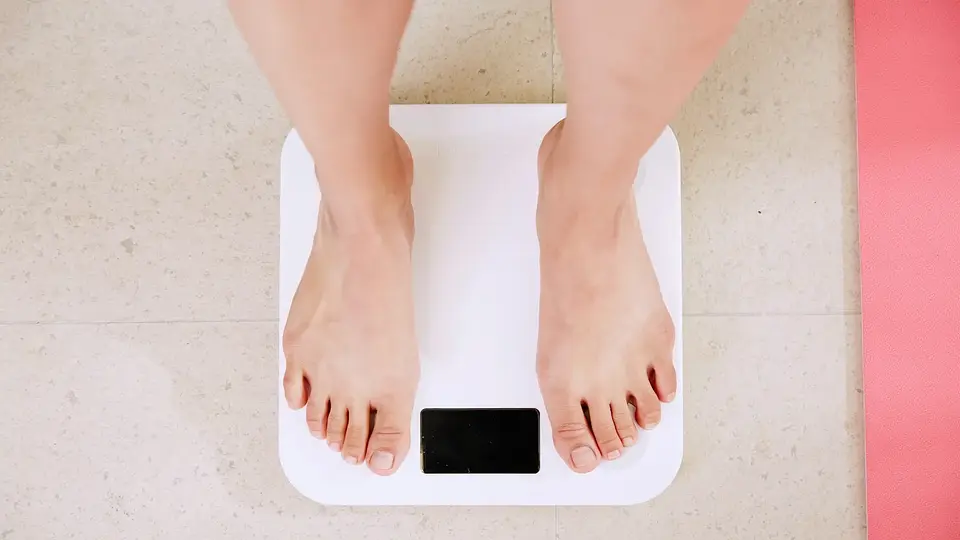
Measurement error can move a result near a category boundary. Measure height without shoes and weight on a stable scale, then repeat under similar conditions if you are tracking change. Normal daily shifts in hydration and food weight can affect the scale. A single reading is less informative than a consistent pattern reviewed with other health information.
The body-fat estimate shown here is even rougher than BMI because it applies a population equation rather than measuring tissue. Do not use it to set a treatment target or evaluate an athlete, pregnancy, edema, or a condition that changes body composition. A clinician can consider waist measures, growth history, laboratory results, medicines, symptoms, and family history.
If a result worries you, avoid making a rapid diet or exercise change from the number alone. Discuss the measurement with a qualified health professional, especially for a child or teen. For a unit check before recalculating, the height calculator converts between centimeters and feet and inches.
When tracking BMI over time, keep the method consistent and focus on the broader trend. A change in the number does not explain whether weight came from fat, muscle, fluid, pregnancy, growth, or recovery from illness. Medicines and medical conditions can also affect weight. Bring the measurements and their dates to a clinician when the change is unexpected, rapid, or accompanied by symptoms.
Built and maintained by utilkit. Updated . Found an issue? Send corrections to contact@utilkit.com
Calculate a height percentile with WHO and CDC reference data and convert measurements between centimeters and feet and inches.
Plan a bedtime or wake-up time using sleep cycles, estimated time to fall asleep, awake time, and age-based sleep-duration guidance.
Calculate current age, age on a specific date, target-age dates, birthday countdowns, and age differences from a birth date.
Understand BMI as a quick screening measurement, not a diagnosis, and learn which context changes how an individual result should be discussed.